

Why Lifestyle Medicine Accelerator Exists
Lifestyle Medicine has the potential to transform patient outcomes - but for many organisations, the challenge isn’t belief, it’s implementation. We exist to bridge that gap - helping teams turn intention into practical, sustainable services.
Our mission is to embed Lifestyle Medicine sustainably across healthcare settings - supporting better health outcomes and helping to reduce health inequalities.
We do this by partnering with healthcare organisations to design and deliver tailored Lifestyle Medicine programmes and services that are practical, sustainable and built around local needs.
Ready to explore what this could look like in your setting?
Where it started
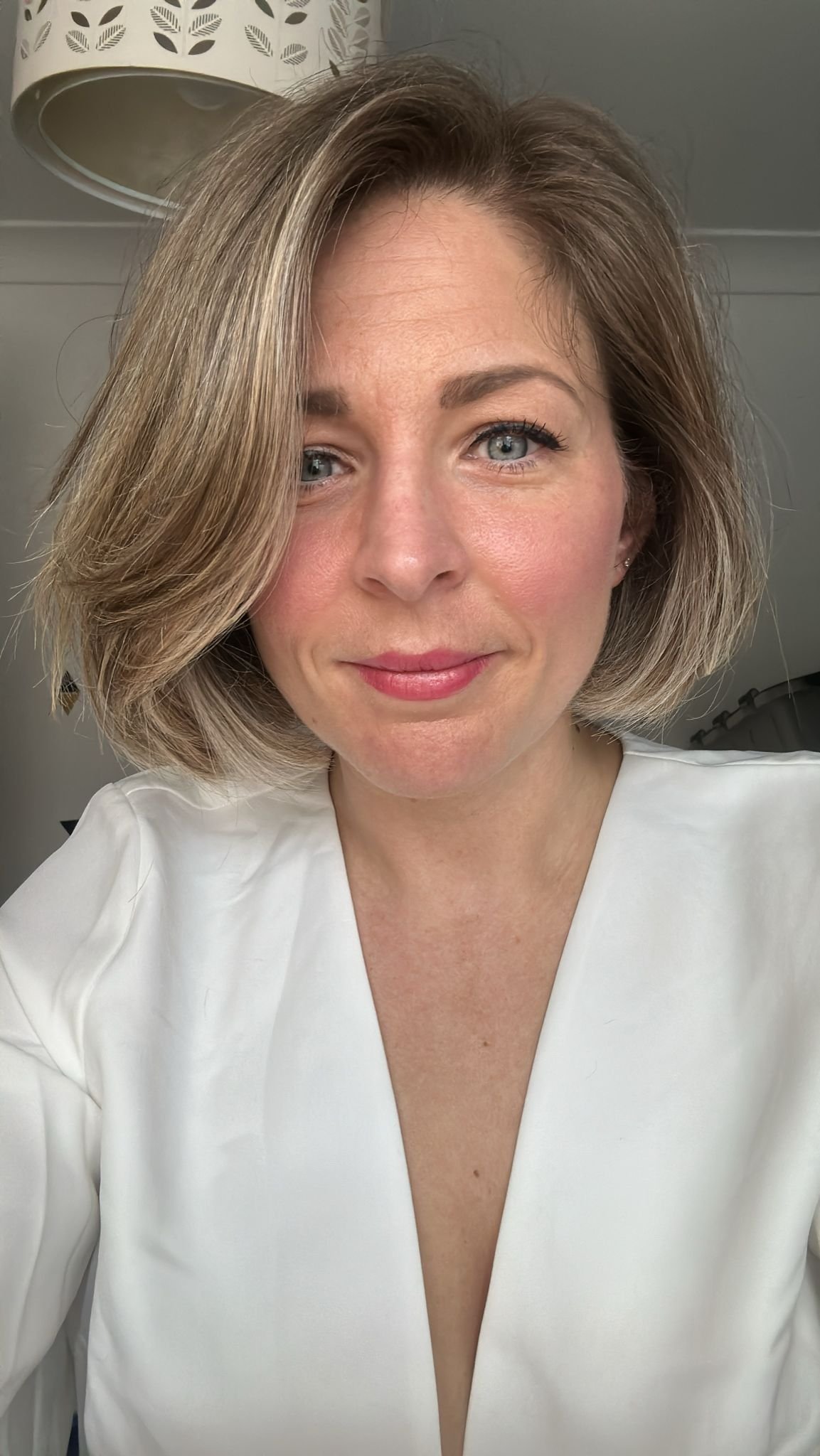
Meet Camille – A GP on a mission for change
As a GP working in North Lewisham in London, Camille saw the growing impact of lifestyle-related conditions on her patients every day.
After completing her diploma in Lifestyle Medicine, she became increasingly aware of the gap between what was possible, and what was actually being delivered in practice. She saw Lifestyle Medicine as more than just a healthcare approach, that it was a way to tackle health inequalities by addressing the root causes of illnesses, not just the symptoms.
Lifestyle Medicine made sense. The evidence was there. But in reality, there was no clear, practical way to embed it into healthcare services in a way that felt accessible, sustainable and effective for the people who needed it most.
She knew there had to be a better way.
Working with the community, not around it
At the same time, North Lewisham PCN had already been building strong foundations through its health inequalities work - led by Dr Aaminah Verity - with a well-established community forum and a commitment to co-design.
Rather than creating a service for patients, the decision was made to design it with them.
This approach shaped everything.
The aim was to move away from top-down healthcare models and instead build something that genuinely reflected the needs, preferences and lived experiences of the local population.
The principle was simple:
Nothing about me, without me.

Testing what works in the real world
The North Lewisham Lifestyle Medicine Service was developed and delivered within this context - designed to work within the realities of the NHS, not outside of it.
The service:
Was delivered by health and wellbeing coaches and nutritionists using ARRS funding
Combined group-based and one-to-one support
Focused on practical, personalised behaviour change
Prioritised accessibility, inclusivity and long-term support
It was open to a broad population, while also proactively reaching those at higher risk of cardiovascular disease and health inequalities.
This wasn’t a theoretical model.
It was tested in a live system, with real patients, real constraints, and real outcomes.

What we learned
Through this work, a number of things became clear:
Lifestyle medicine can be successfully delivered within NHS settings
Engagement improves when services feel accessible and relevant
Longer-term support is key to meaningful, sustained change
Co-design leads to stronger, more effective services
Most importantly: implementation matters just as much as intention

From local service to scalable approach
While the programme was successful, it also highlighted a wider challenge. Delivering lifestyle medicine in a single PCN is one thing. Embedding it consistently across different teams, populations and healthcare settings is another.
It became clear that organisations looking to implement Lifestyle Medicine needed:
a practical framework
support with design and delivery
and a way to adapt the model to their own context
Lifestyle Medicine Accelerator was created to meet that need.
Where we are now
Today, we work with healthcare organisations to design and deliver lifestyle medicine services that are:
Practical to implement
Grounded in real-world experience
Adaptable to local populations and systems
Building on what was learned in North Lewisham, we support organisations to move from intention to implementation - creating services that are both effective and sustainable.
Explore our work in practice
To see more examples of how lifestyle medicine services have been designed and delivered, including outcomes and learning, visit our Case Studies page.