
GENERAL PRACTICE AWARDS 2026 FINALIST
Beyond the prescription: Combining GLP-1 treatment with Lifestyle Medicine in primary care
Clinical Improvement - Long Term Conditions Award
A wider opportunity for better health
The project has now been named a finalist in the Clinical Improvement - Long Term Conditions category at the General Practice Awards 2026
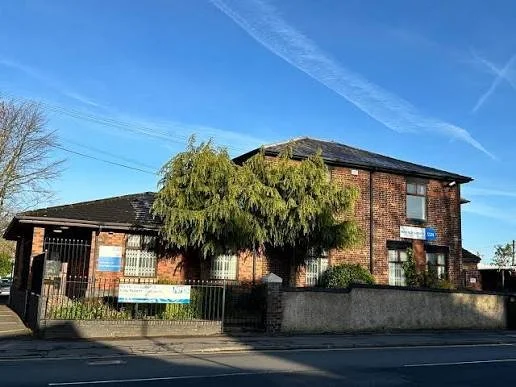
At Mayfield Surgery in Stoke-on-Trent, rising rates of type 2 diabetes and obesity are part of a much wider health challenge.
More than half of the practice population lives within the most deprived national quintile. Obesity prevalence is 27%, while 11% of patients are living with type 2 diabetes - a figure that has doubled over the past decade.
Against that backdrop, Mayfield Surgery wanted to explore a different approach to the introduction of GLP-1 medication.
Working with Lifestyle Medicine Accelerator, Staffordshire and Stoke-on-Trent ICP and Stoke-on-Trent City Council, the practice developed MaLMOUN - the Mayfield Lifestyle Medicine and Mounjaro Project: a programme combining tirzepatide treatment with structured Lifestyle Medicine education, supervised exercise and ongoing clinical support.
01 / BEYOND MEDICATION
The opportunity beyond medication
Tirzepatide can produce significant improvements in weight and blood glucose control for people living with type 2 diabetes and obesity.
But MaLMOUN began with a broader question - could the introduction of medication also become an opportunity to help people make sustainable changes to their health?
Rather than treating the prescription as the intervention in itself, the team designed a programme around it. Participants joined six fortnightly evening sessions over 12 weeks. Each brought together group clinical consultations, supervised exercise and practical education based around the six pillars of Lifestyle Medicine.
The curriculum was provided by Lifestyle Medicine Accelerator and facilitated by a Health and Wellbeing Coach with GP oversight, helping participants explore nutrition, physical activity, sleep, mental wellbeing and social connection alongside their medical treatment.
The aim was to use medication as an opportunity for wider change - supporting people not simply to lose weight or lower their blood glucose, but to develop greater understanding and confidence in managing their health.
02 / PEOPLE & PLACE
Designed around the community it serves
The setting matters.
At Mayfield Surgery, 51% of patients fall within the national CORE20 population, while rates of obesity and type 2 diabetes are high.
The first MaLMOUN cohort brought together 16 people living with type 2 diabetes and obesity, many facing significant challenges in managing their health.
Delivered in the evening at a community venue, the programme brought different elements of care together rather than requiring participants to navigate separate clinical, exercise and education services.
It was a practical approach to making more comprehensive care accessible within a community experiencing significant health inequalities.
03 / A PARTICIPANT’S EXPERIENCE
“It’s been a complete life-changer for me”
MALMOUN PARTICIPANT
Beyond the numbers
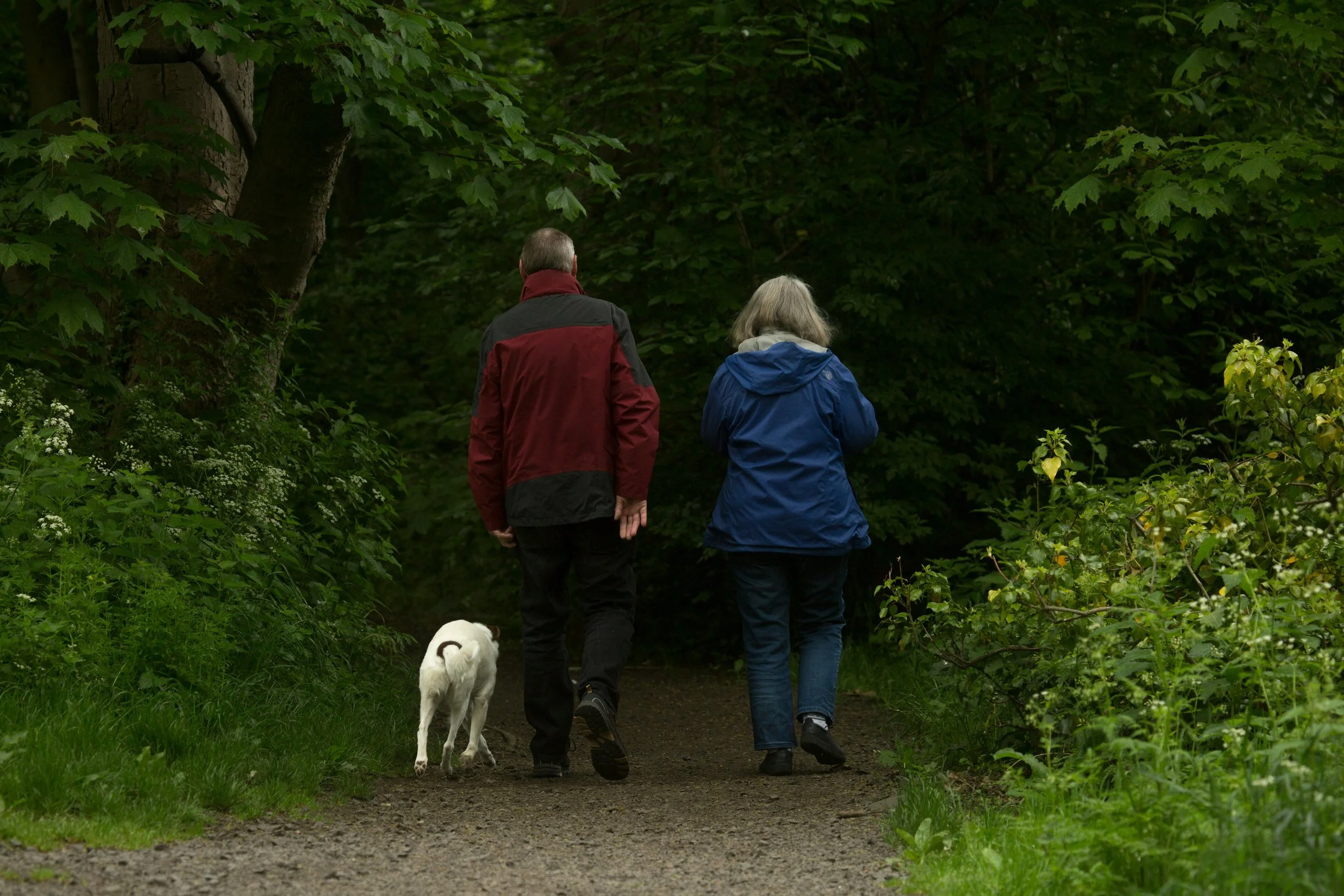
For one participant, the programme offered something that had been missing from his experience of managing diabetes: a clearer understanding of how everyday choices affected his health.
Before joining MaLMOUN, he described eating on the run, not fully understanding which foods affected his blood sugar, and struggling with erratic sleep.
The education helped him make sense of the relationship between food, exercise and his diabetes. Just as importantly, he valued learning alongside others.
Participants shared experiences, encouraged one another and stayed connected between sessions. Some brought partners, extending that understanding and support into their lives beyond the programme.
His experience captures something that clinical measurements alone cannot: the difference that understanding, confidence and human connection can make to how people approach their health.
04 / NINE-MONTH OUTCOMES
Turning engagement into measurable change
At nine months, the clinical outcomes were encouraging.
mmol/mol
Mean reduction: 39 mmol/mol
84 → 45
Mean weight
115.4 → 99.5
kg
Reduction: 15.9kg
Mean HbA1c
Of the 16 participants, 13 were able to tolerate tirzepatide.
Across the whole cohort, mean HbA1c fell from 86 to 55 mmol/mol. Among those who tolerated the medication, it fell from 84 to 45 mmol/mol - a mean reduction of 39 mmol/mol.
Mean weight reduced from 115.4 kg to 99.5 kg, while mean waist circumference fell from 122.5 cm to 107.3 cm. These changes were statistically significant.
The reduction in HbA1c among participants who tolerated tirzepatide was greater than that reported for maximum-dose tirzepatide monotherapy in the SURPASS-1 trial.
Mean waist circumference
122.5 → 107.3
cm
Reduction: 15.2cm
Although this is an interesting comparison, MaLMOUN was a small, uncontrolled primary-care cohort. It cannot establish how much of the improvement was attributable to medication, Lifestyle Medicine or the combination of the two.
What it does demonstrate is that substantial improvements were observed when medication was delivered alongside structured education, exercise and clinical support in a community with significant health inequalities.
And, as the patient experience illustrates, the value of the programme cannot be understood through clinical measurements alone.
04 / INTEGRATED DELIVERY
From local service to borough-wide delivery
North Lewisham
LOCALLY CO-DESIGNED SERVICE
→
All 7 PCNs
INTEGRATED NEIGHBOURHOOD WORKING
The Lewisham story is also about what happens after an initial model begins to work.
The approach developed through North Lewisham and has since expanded through Integrated Neighbourhood working to serve all seven Lewisham PCNs.
The borough-wide service is open to adults across Lewisham, with targeted recruitment of people living with three or more cardiovascular disease-related conditions. Health and Wellbeing Coaches deliver personalised Lifestyle Medicine interventions alongside standard medical care.
This creates space for preventative care outside the constraints of the ten-minute GP consultation, with delivery shared across trained roles and integrated into existing NHS services - central principles of the LMA model.
What began as a local service has therefore provided the foundations for Lifestyle Medicine delivery across a whole borough.
05 / RECOGNITION
What this recognition represents
The Lewisham work has been shortlisted for the HSJ Awards 2026 as:
“Reimagining personalised care: Co-designed Lifestyle Medicine interventions for Underserved Populations.”
The Excellence in Narrowing the Health Inequalities Gap category recognises work addressing inequalities in healthcare access, experience and outcomes.
For LMA, the significance of the recognition lies in the story behind it: preventative care designed with communities rather than simply offered to them; evidence that underserved populations are engaging; measurable improvements in health and wellbeing; and an approach that has developed from local delivery into a borough-wide model.
It is recognition of what can happen when Lifestyle Medicine is designed to work with the realities of communities and the NHS systems serving them.
The Lewisham Lifestyle Medicine work has developed through collaboration between local communities, primary care teams and wider NHS partners, working in partnership with Lifestyle Medicine Accelerator.
Built through partnership
LET’S TALK ABOUT YOUR COMMUNITY
Could this approach work in your area?
Every community is different. Our role isn't simply to reproduce what worked somewhere else, but to help NHS organisations translate the principles of Lifestyle Medicine into a programme that works for their population, priorities and existing services.
Lifestyle Medicine Accelerator supports programme design, workforce training, implementation and evaluation - creating practical, measurable approaches to preventative care that can work within real-world NHS settings.